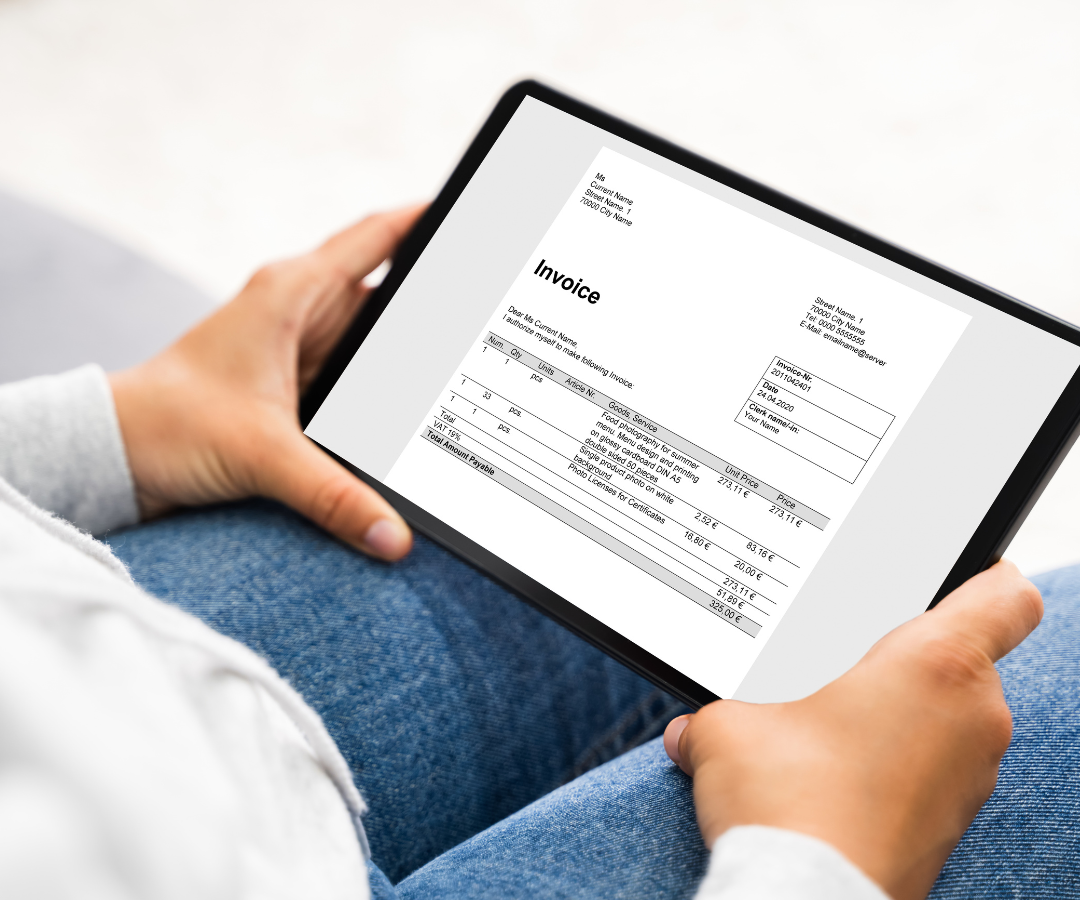

Every paper check your AP department cuts costs more than postage. Printing, signing, mailing, tracking down lost checks, and manually matching payments to invoices all add hours to a process that should take minutes — and every step is a chance for an error, a delay, or a fraud attempt to slip through.
Accounts payable automation replaces that manual cycle with electronic payments, automated reconciliation, and built-in security controls. Businesses that make the switch typically see faster payment cycles, fewer clerical errors, and real cost savings — without adding headcount to the AP team.
Here’s what accounts payable automation actually looks like in practice, and how to know if your business is ready to move away from paper checks.
What Is Accounts Payable Automation?
Accounts payable automation is the use of software to handle the parts of the AP process that used to require manual work — approving payments, executing them electronically, and reconciling them against invoices and statements. Instead of printing a check, mailing it, and waiting for a vendor to deposit and confirm it, an automated AP system lets your team release payment with a few clicks and get instant confirmation that it went through.
At its core, AP automation covers three things:
- Payment execution — moving money electronically instead of by paper check
- Payment tracking — knowing in real time what’s been paid, what’s pending, and what’s overdue
- Reconciliation — matching payments to invoices automatically instead of by hand
The Real Cost of Manual Accounts Payable
Paper-based AP feels “free” because there’s no software subscription attached to it — but the hidden costs add up fast.
Printing and Mailing
Every paper check costs money to print, sign, stuff, stamp, and mail — and that’s before accounting for the staff time it takes to do all of it. For a business cutting hundreds of checks a month, that’s a real line item.
Slow Payment Cycles
Mailed checks take days to arrive, more days to be deposited, and still more days to clear. That delay affects everything from vendor relationships to your own cash flow visibility. Businesses that move vendor payments to Click-to-Pay and electronic transfer routinely cut payment cycle times by a week or more.
Reconciliation Errors
When payments and invoices live in separate systems — or on paper — matching them up is manual, tedious, and error-prone. A single mismatched payment can take an AP clerk an hour or more to track down and correct.
Fraud Risk
Paper checks are one of the most common targets for payment fraud — check washing, forged signatures, and mail theft are all still active risks. Electronic payments, particularly ACH with proper controls, close off most of the ways a paper check can be intercepted or altered.
How Electronic Payments Transform Accounts Payable
The biggest shift in AP automation isn’t approval workflow software — it’s how the payment actually moves. Businesses now have several electronic payment options that replace the paper check entirely:
- ACH transfers — funds move directly between bank accounts, typically settling in one to two business days
- Wire and reverse wire — for larger or time-sensitive vendor payments
- Credit card payments — convenient for vendors set up to accept card payments, often with built-in purchase protection
- Click-to-Pay — a secure link that lets a vendor or payee complete payment in a few clicks, no separate banking portal required
Offering a mix of these options — rather than forcing every vendor onto one payment method — tends to get the fastest adoption, since vendors can use whichever method fits their own AP process.
Key Benefits of Accounts Payable Automation
Faster Payment Cycles
When vendors can be paid electronically instead of waiting on a mailed check, payment cycles shorten significantly. Businesses that combine electronic statements with Click-to-Pay often see payment times drop by 15 days or more.
Simplified Reconciliation
Electronic payments create a digital record automatically, which means less manual matching and fewer clerical errors slowing down your close process.
Lower Processing Costs
Every payment moved off paper eliminates a check’s worth of printing, postage, and staff time — costs that scale directly with your payment volume.
Stronger Vendor Relationships
Vendors increasingly expect electronic payment as the default, not the exception. Offering it — and offering it flexibly — signals that your business is easy to work with.
Better Audit Trail
Every electronic payment is timestamped, tracked, and tied to its corresponding invoice, which makes audits and financial reviews faster and less stressful.
Security Considerations for AP Automation
Moving payments online only pays off if it’s done securely. Look for (or make sure your current system includes):
- Encrypted payment processing and secure payment links
- Role-based access controls so only authorized staff can release payments
- Offsite backup and disaster recovery testing for payment data
- Detailed audit logs of who approved and released each payment
Vendor payment fraud has increasingly shifted toward hijacked bank details rather than fake invoices, which makes verified, access-controlled payment systems more important than ever — not less.
Getting Started With Accounts Payable Automation
You don’t have to automate everything at once. A practical rollout usually looks like this:
- Start with your highest-volume vendors. Moving your most frequent payments to ACH or Click-to-Pay delivers the fastest return.
- Offer more than one electronic option. Not every vendor wants the same payment method — flexibility speeds up adoption.
- Set access controls before you go live. Decide who can approve and release payments before the system is in daily use, not after.
- Track your reconciliation time. A drop in hours spent matching payments to invoices is one of the clearest signs the switch is working.
Frequently Asked Questions
Is ACH payment safer than a paper check?
Yes, in most respects. ACH payments remove the risks associated with mail theft, check washing, and forged signatures, and they leave a clear digital record. The security still depends on the access controls around who can initiate a payment.
How is accounts payable automation different from accounts receivable automation?
AP automation handles the money your business pays out to vendors and suppliers. AR automation handles the money coming in from your own customers. Many businesses automate both sides using the same underlying e-payment infrastructure, since the security and reconciliation benefits are similar.
Do all vendors need to accept the same payment method?
No. The most successful rollouts offer a choice — ACH, wire, credit card, or Click-to-Pay — so vendors can use whatever fits their own systems. Requiring one method for everyone tends to slow adoption down.
Ready to Move Your Accounts Payable Off Paper?
Doculivery’s Click-to-Pay and accounts payable solutions let you offer vendors ACH, wire, reverse wire, and credit card payment options — all from one secure platform, with the reconciliation and audit trail built in. See how Doculivery’s Accounts Payable Solutions work, or contact us to talk through your current AP process.